2026 Best Electric Warehouse Lifts Why Better Than Diesel?

Time:2026-09-16 Author:Isabella
0%

In 2026, electric warehouse lifts are moving from a specialist choice to a practical operating standard. The reason is visible on the warehouse floor. Electric models start quietly beside packed storage racks, produce no exhaust indoors, and deliver steady torque during repeated pallet movements. For many facilities, that means cleaner air, less noise, and a more comfortable shift for operators.

So, why are electric lifts better than diesel for warehouses? Roberto Michel, a respected materials-handling analyst and senior editor at Modern Materials Handling, has expressed a useful principle: “Technology earns its place when it improves the operation.” Electric lifts often meet that test through lower routine maintenance, regenerative braking, and precise control in narrow aisles. Lithium-ion batteries can also support opportunity charging during scheduled breaks. No battery swapping drama.

The financial case deserves careful attention. Electric equipment usually costs more upfront, and charging infrastructure can complicate an older site. Electricity prices, battery life, duty cycles, and local power capacity must be measured before purchase. A careless comparison may hide those details. Diesel lifts still appear attractive for outdoor yards, rough surfaces, and very long shifts. Yet indoor warehouses increasingly value quiet operation, predictable energy costs, and reduced ventilation demands. Experience matters here. A fleet manager should compare actual travel distances, pallet weights, charging windows, and maintenance records. The best answer is not always “all electric.” It is a disciplined match between equipment and workflow.
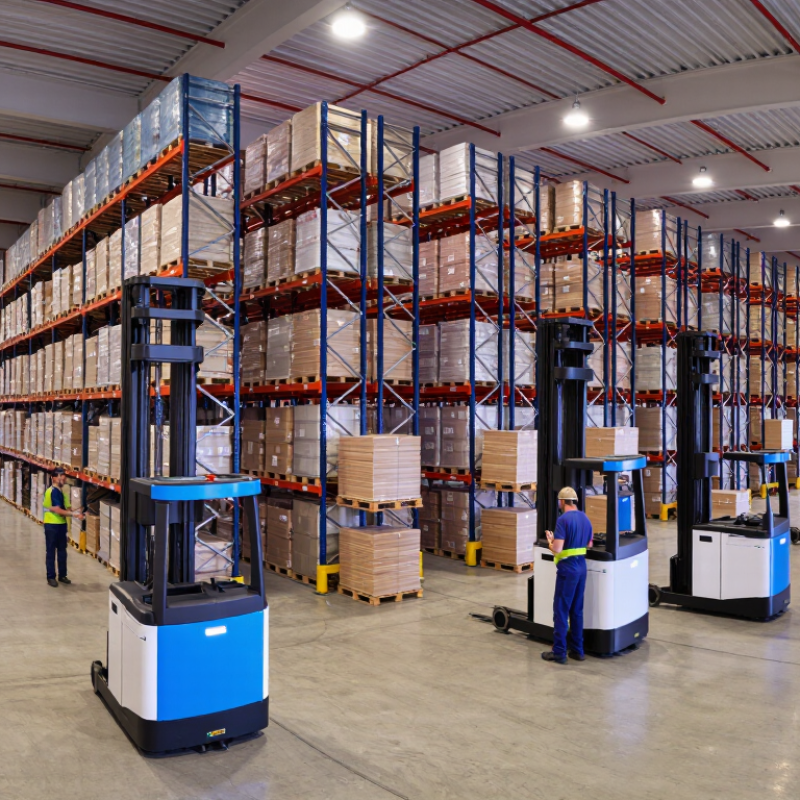
2026 Best Electric Warehouse Lifts Why Better Than Diesel?

What Are Electric Warehouse Lifts and How Do They Work?

Electric warehouse lifts are powered machines designed to raise, carry, and position pallets indoors. Common types include electric forklifts, pallet stackers, and walkie lift trucks. They use rechargeable battery packs instead of diesel engines. This produces no exhaust during normal operation. Cleaner air matters in enclosed aisles.

A battery sends electricity to a traction motor, which turns the drive wheels. Another motor, or an electric hydraulic pump, raises the forks. When an operator moves the control lever, sensors and valves regulate lifting speed. The mast then extends through chains, rails, or hydraulic cylinders. Braking systems recover some energy during deceleration. It is a quiet process. Too quiet, sometimes. Pedestrians may not hear the lift approaching.

In daily warehouse work, an operator checks the battery level, forks, tires, warning lights, and fluid leaks before use. The lift can then collect a pallet, keep it balanced, and place it on a rack. Electric models usually offer precise low-speed control, which helps near shelving and loading bays. They also need scheduled charging, battery care, and suitable floor conditions. A cold battery may lose working time. Poor maintenance can reduce lifting power and create safety risks. Diesel equipment may still suit outdoor yards or extended heavy-duty work, while electric lifts often fit cleaner indoor operations. The best choice depends on load weight, aisle width, duty cycle, ventilation, and charging access. Availability is not the same as readiness.

How Do Electric Lifts Compare With Diesel-Powered Models?

Electric warehouse lifts compare favorably with diesel-powered models in enclosed facilities. Their main advantage is cleaner operation. Electric motors produce no exhaust fumes during indoor handling, so workers breathe easier near loading aisles. The floor stays quieter. This matters when operators communicate beside moving pallets.

Electric lifts also deliver precise control at low speeds. That helps when placing fragile cartons on high racking. Battery-powered machines usually need less routine engine maintenance. There is no oil filter, fuel injector, or exhaust system to service. Energy costs can also become more predictable across repeated shifts. However, charging requires planning. A lift may stop working when its battery is empty. Cold storage can reduce battery performance, too.

Diesel models still suit outdoor yards, rough surfaces, and long shifts without charging pauses. Their strong torque feels useful when moving heavy loads across uneven ground. Yet indoor ventilation becomes essential, and fuel storage adds handling responsibilities. In a warehouse trial, electric equipment often reduced noise and maintenance interruptions, but only after charging stations were positioned near natural break areas. That detail is easy to overlook.

Electric technology is not perfect. Battery replacement can be expensive. Operators may also drive aggressively, wasting energy through sudden acceleration. My earlier assumption was that electric lifts always cost less. That was too simple. The better choice depends on duty cycles, floor conditions, load weight, charging access, and local service support.

What Benefits Make Electric Lifts Better for Modern Warehouses?

Electric lifts fit modern warehouses because they reduce emissions where workers operate. The U.S. Department of Energy’s Alternative Fuels Data Center classifies electric forklifts as zero-tailpipe-emission equipment. That matters in enclosed aisles, where diesel exhaust can linger near picking stations. Cleaner air is not merely a sustainability claim. It supports a more comfortable working environment.

Noise also changes the daily experience. OSHA’s 8-hour permissible exposure limit is 90 dBA for occupational noise. Electric motors usually create less mechanical noise than diesel engines, improving communication around loading bays. They also offer precise acceleration and regenerative braking. Operators can move pallets smoothly, rather than correcting harsh starts and stops. Small improvements become noticeable after hundreds of movements.

Operating costs deserve a closer look. The IEA’s Global EV Outlook 2024 reported a 14% decline in average battery-pack prices during 2023. That trend can support lower equipment costs over time, although warehouse batteries still require planned charging, replacement, and recycling. The weak point is charging discipline. Poorly placed chargers can create delays, heat, and traffic conflicts. Electric lifts are not automatically better in every facility. A site with continuous heavy-duty cycles may need spare batteries, fast chargers, or a different operating plan. Energy bills can also rise during peak periods. Managers should compare measured duty cycles, electricity rates, maintenance records, and local ventilation needs before replacing diesel equipment.

2026 Best Electric Warehouse Lifts: Why Are They Better Than Diesel?

Evaluation Dimension Electric Warehouse Lift Diesel Warehouse Lift Why It Matters in Modern Warehouses
Tailpipe emissions Zero during operation Produces carbon dioxide, nitrogen oxides and particulate emissions Electric lifts are generally better suited to enclosed facilities and help reduce indoor air-quality risks.
Energy efficiency Typically about 70–90% drivetrain efficiency Typically about 20–40% fuel-to-wheel efficiency More input energy reaches the wheels, reducing energy waste during repeated warehouse movements.
Noise level Often approximately 60–75 dB(A), depending on load and operating conditions Often approximately 75–90 dB(A), depending on engine speed and load Lower noise supports safer communication, better concentration and more comfortable working conditions.
Routine maintenance No engine oil, exhaust system or fuel-injection service; battery and tires still require care Requires engine oil, filters, belts, exhaust-related service and fuel-system maintenance Fewer powertrain service items can reduce planned downtime and maintenance complexity.
Energy cost per operating hour Often lower, depending on electricity tariffs, battery type and duty cycle More exposed to diesel price changes and fuel consumption Lower operating energy costs can improve total cost of ownership over intensive use.
Refueling or recharging Typical charging may take about 1–3 hours with suitable lithium-ion systems; conventional batteries may require longer Diesel refueling commonly takes about 5–10 minutes Electric fleets need charging schedules, spare batteries or opportunity charging to maintain continuous shifts.
Typical operating duration Approximately 4–8 operating hours per charge is common, depending on capacity, load and usage Can often operate through long shifts with short refueling stops Electric equipment performs best when duty cycles and charging windows are planned accurately.
Indoor suitability Excellent for enclosed warehouses, food-handling areas and temperature-controlled facilities Usually requires strong ventilation and may be restricted indoors Electric lifts support cleaner indoor operations and reduce ventilation requirements.
Operator comfort Low vibration, smooth acceleration and quiet operation More engine vibration, heat and noise Improved comfort can support productivity during long or repetitive shifts.
Purchase cost Often higher initially because of the battery, charger and electric drive system May have a lower initial equipment cost in some applications A total-cost analysis should include energy, maintenance, labor, ventilation and downtime.
Best operating environment Indoor floors, distribution centers, narrow aisles and urban logistics sites Heavy outdoor work, uneven surfaces, long continuous shifts and demanding towing applications The correct choice depends on floor conditions, shift pattern, load, ventilation and charging infrastructure.
Environmental considerations Lower local emissions; battery production and recycling still require responsible management Continuous fuel consumption and combustion emissions during operation Electric lifts can support sustainability targets when electricity sourcing and battery lifecycle planning are managed properly.

Note: Performance figures are typical industry ranges rather than guaranteed specifications. Actual results vary with lift capacity, battery chemistry, load, ambient temperature, driving pattern, maintenance and site conditions.

What Factors Should Buyers Consider Before Choosing an Electric Lift?

Choosing an electric warehouse lift requires more than comparing purchase prices. Buyers should measure aisle width, rack height, floor condition, and daily travel distance. A compact lift may fit narrow aisles but struggle with uneven concrete. Confirm the rated capacity at the actual load center, not only the headline capacity. A 1,500-kilogram pallet can become unsafe when its weight sits too far forward. Test it loaded.

Battery performance also deserves close attention. Review shift length, charging time, charging space, and replacement cost. Noise matters. Electric equipment can improve communication in busy warehouses and reduce indoor exhaust concerns. However, battery systems lose efficiency in cold storage and during demanding cycles. Plan for winter. Maintenance records should show charging history, brake inspections, hydraulic checks, and fault codes. In practical evaluations, small warning signs often appear before major downtime.

Operators should test visibility, steering response, mast movement, seat comfort, and emergency controls. Ask whether trained service support and replacement parts are available nearby. A low purchase price may become expensive when repairs cause missed shipments. Total cost should include electricity, batteries, tires, training, maintenance, and expected resale value. A spreadsheet can look convincing and still miss cleaning delays or charging conflicts. Leave room for those realities. Before approval, run the lift through a normal shift with representative pallets, tight turns, ramps, and loading tasks. Record energy use and operator feedback instead of trusting specifications alone.

How Will Electric Warehouse Lift Technology Develop in 2026?

By 2026, electric warehouse lifts will develop beyond quieter motors and cleaner aisles. Compared with diesel units, electric lifts can reduce indoor noise and local exhaust exposure. Engineers are focusing on battery control, charging speed, and safer human-machine interaction. New lithium-based packs may deliver steadier power during long picking shifts. Some systems will balance charging with building demand, reducing sudden electricity peaks. That matters in busy warehouses where several vehicles return simultaneously. Charging will become more flexible. Opportunity charging, removable batteries, and protected fast-charge areas can reduce downtime. However, battery heat and charging discipline still require trained operators.

Practical testing remains essential. During site trials, technicians should measure turning space, floor condition, load height, and shift patterns. Software will use these details to adjust speed, route suggestions, and maintenance alerts. Camera-based detection may warn about pedestrians, unstable pallets, or blocked aisles. Telematics can record impacts and battery health, helping managers investigate repeated damage. These tools support decisions, but they do not replace experienced supervision. Data can be incomplete. Poor sensor placement, weak network coverage, or rushed calibration may create false warnings. That weakness deserves attention before automation expands.

Operator cabins will also evolve. Adjustable controls, clearer displays, and reduced vibration can lower fatigue during repetitive work. Some lifts may coordinate with warehouse software, while onboard guidance helps new workers learn safer paths. Still, a connected lift is not automatically a better lift. Independent safety checks, documented training, and regular brake inspections remain necessary in 2026. Reliability will depend on maintenance habits as much as advanced technology.

FAQS

What are electric warehouse lifts?

Electric warehouse lifts raise, carry, and position pallets indoors. They use rechargeable batteries instead of fuel engines. Common types include forklifts, pallet stackers, and walkie lift trucks. Cleaner air matters in enclosed aisles.

How does an electric lift move and raise pallets?

The battery powers a traction motor connected to the drive wheels. Another motor or hydraulic pump raises the forks. Sensors and valves control lifting speed. Chains, rails, or cylinders extend the mast.

What should operators check before using an electric lift?

Check the battery level, forks, tires, warning lights, and fluid leaks. Confirm the emergency controls work correctly. Inspect the floor for cracks or slippery areas. Small faults can become serious.

Are electric lifts safer and quieter indoors?

They produce no exhaust during normal indoor operation. Their lower noise helps workers communicate near moving pallets. However, pedestrians may not hear them approaching. Extra warning lights and traffic rules may be needed.

How do electric lifts compare with fuel-powered models?

Electric lifts usually offer cleaner and quieter indoor operation. They provide precise control near racks and loading bays. Fuel-powered models may suit outdoor yards and uneven surfaces better. Neither option fits every workplace.

What battery issues should buyers expect?

Batteries need scheduled charging and regular care. Cold storage can reduce working time and lifting performance. Sudden acceleration also wastes energy. Charging access matters more than it first appears.

Which factors should buyers consider before choosing an electric lift?

Measure aisle width, rack height, floor condition, and daily travel distance. Check capacity at the real load center. Review shift length, charging space, and replacement costs. Test the lift with actual pallets.

What maintenance and service support does an electric lift require?

Maintenance should include brakes, hydraulics, tires, battery records, and fault codes. Operators need training and routine inspections. Nearby service support can reduce missed shipments. A low purchase price may mislead.

How can a warehouse test an electric lift before purchase?

Run it through a normal shift with representative pallets. Include tight turns, ramps, high racks, and loading tasks. Record energy use and operator feedback. Specifications alone are not enough.

Conclusion

Electric warehouse lifts use battery-powered motors, electronic controls, and hydraulic or electric lifting systems to move and raise materials efficiently. Compared with diesel-powered models, they produce no exhaust emissions during indoor operation, create less noise, and generally offer smoother, more precise handling. Their lower energy and maintenance requirements can also support long-term operating savings, especially in facilities where air quality, worker comfort, and productivity are important. These advantages help explain why are electric lifts better than diesel for warehouses.

Before choosing an electric lift, buyers should evaluate load capacity, lifting height, aisle dimensions, battery type, charging time, operating hours, floor conditions, and available maintenance support. Safety features, operator training, and total ownership cost are equally important. In 2026, electric warehouse lift technology is expected to advance through faster charging, longer battery life, smarter energy management, improved automation, and connected monitoring systems. These developments may make electric equipment even more practical for warehouses seeking efficient, quiet, and environmentally responsible material handling.

Isabella

Isabella

Isabella is a dedicated marketing professional with a sharp focus on driving brand growth and engagement through strategic content creation. With an extensive background in digital marketing, she combines her passion for storytelling with her keen understanding of industry trends to deliver......