China Top 10 Lift Tables Why Vibrating During Ascent?

Time:2026-10-11 Author:Aria
0%

Vibration during ascent is more than an unpleasant movement. It can reveal uneven loading, worn guide rollers, unstable hydraulic flow, or poor frame alignment. When operators ask, “why is my lift table vibrating during ascent,” the answer usually depends on several interacting conditions. Load weight, platform position, oil temperature, and maintenance history all matter.

This guide examines China’s top 10 lift tables through practical performance factors, not appearance alone. We consider lifting smoothness, rated capacity, hydraulic response, scissor-arm alignment, control accuracy, and service accessibility. A table may rise steadily in a showroom, yet shake after repeated cycles in a warehouse. That difference matters. Cold hydraulic oil may move unevenly through the cylinder. A side-loaded pallet can also twist the platform and increase roller friction. Small clearance problems can become visible as a sharp tremor near mid-stroke.

Real inspections should begin with the basics. Confirm the load is centered and within the stated capacity. Observe whether vibration changes when the platform is empty. Listen for pump noise, inspect hoses, and check guide tracks for debris or scoring. Do not ignore a sudden change.

No ranking is perfect. Supplier specifications may not show long-term field behavior, and one installation can distort results. That limitation deserves attention. Qualified technicians should verify alignment, pressure, and structural wear before continued operation. The following comparison offers a careful starting point for selecting reliable Chinese lift tables and identifying vibration risks before they become costly downtime.
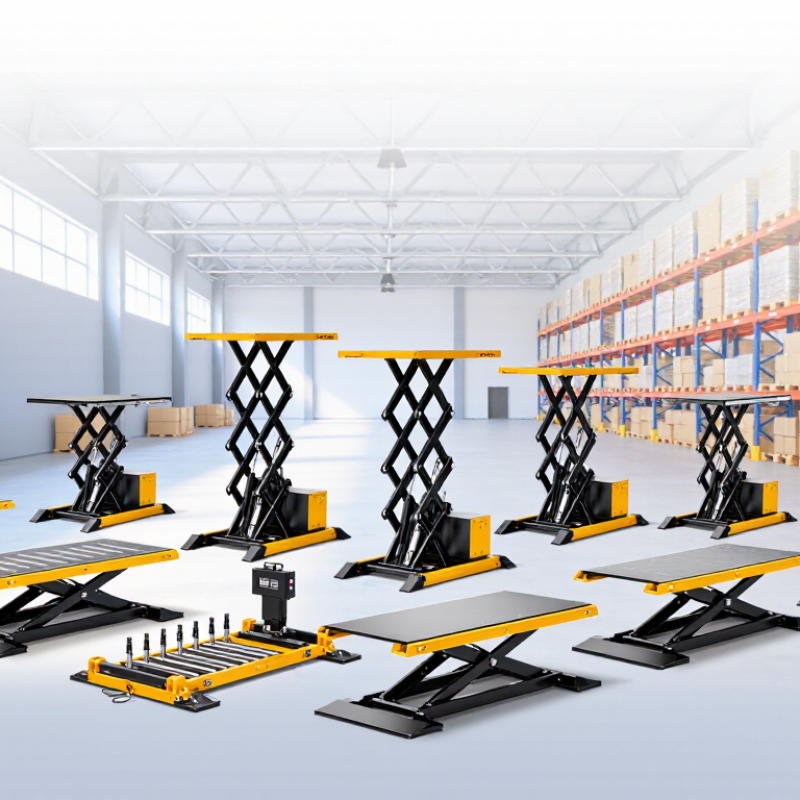
China Top 10 Lift Tables Why Vibrating During Ascent?

What Vibrating During Ascent Means in China’s Top Lift Tables

China Top 10 Lift Tables: Why Vibrating During Ascent?

Vibration during ascent usually indicates unstable hydraulic flow, not normal lifting behavior. In field inspections, the first suspects are trapped air, a worn pump, or a sticky control valve. Uneven loading can also twist the platform and increase guide-roller friction. A practical check is simple: raise the table empty, then repeat with a centered load. If vibration appears only under load, alignment or hydraulic pressure deserves closer attention.

ISO 4413 requires hydraulic systems to control pressure, flow, and stored energy safely. EN 1570-1 also emphasizes stable movement and protection against unexpected platform motion. For operators, EU Directive 2002/44/EC uses 0.5 m/s² A(8) as the daily action value for whole-body vibration. A lift table is not automatically an exposure hazard, but repeated shaking should not be dismissed. Measurement is better than guessing. A vibration meter can record acceleration at the platform and compare empty-load results with rated-load results. The readings may expose a problem that sound alone misses.

Tips: Check oil level, visible leaks, hose bubbles, roller clearance, and platform leveling. Inspect after the machine cools. Never adjust relief valves casually. A 2024 industrial maintenance survey by Plant Engineering reported that condition monitoring is increasingly used to detect failures before downtime. That sounds convincing, but small tables still need skilled hands-on inspection. Vibration data without load records can mislead. Record load weight, ascent time, temperature, and noise during every test.

How Lift Table Components Create Vibration During Upward Movement

China Top 10 Lift Tables Why Vibrating During Ascent?

Upward vibration usually begins inside the lifting system, not on the platform. Hydraulic tables may pulse when the pump delivers uneven oil flow. Air trapped in the cylinder can create a soft, spring-like movement. Worn seals may also cause pressure loss and repeated correction. Scissor arms create another risk. Dry pivot pins, loose rollers, or uneven guide tracks can resist movement suddenly. The platform then rises in small jumps. In field inspections, I often find that operators blame the motor too quickly. That diagnosis is not always right.

ISO 20816 evaluates machine vibration through RMS velocity, measured in millimetres per second. It also distinguishes steady vibration from short shocks. This matters because a lift table can show acceptable average readings while producing uncomfortable impacts. Hydraulic contamination, uneven loading, and misaligned scissor arms can increase these impacts during ascent. A heavy load placed near one edge adds twisting force. Small frame distortion may then become visible as platform shaking. The ISO 12100 risk-assessment framework also supports checking foreseeable mechanical faults before changing operating settings.

Tips: Record vibration at the base, cylinder, and platform separately. Check oil temperature, filter condition, pivot lubrication, and roller clearance. Use a calibrated vibration meter when possible. Compare readings under light and rated loads. Do not tighten every bolt immediately. Excessive tightening can restrict guided movement and create a new fault. Feedback from operators is valuable, but it should support measurements, not replace them.

China Top 10 Lift Tables Why Vibrating During Ascent? - How Lift Table Components Create Vibration During Upward Movement

Component-based troubleshooting reference for hydraulic and mechanical lift tables

No. Component or Source How It Creates Vibration During Ascent Typical Observable Symptom Recommended Inspection or Measurement Practical Reference Point Corrective Action
1 Hydraulic pump flow pulsation Positive-displacement pumps deliver pressure and flow pulsations, especially at low speed or when internal wear causes uneven displacement. Regular surging, cyclic shaking, or a vibration frequency related to motor or pump speed. Check pump noise, motor current, pressure ripple, coupling condition, and the pump manufacturer's operating range. Pressure should rise smoothly; repeated pressure oscillation indicates a hydraulic or control issue rather than normal lifting motion. Inspect or replace a worn pump, verify correct rotation, tighten the coupling, and confirm adequate oil supply.
2 Air trapped in hydraulic oil Compressible air bubbles expand and collapse as cylinder pressure changes, producing a spring-like or spongy response. Jerky starts, bouncing, foaming in the tank, and vibration that decreases after repeated cycles. Inspect the oil surface for foam, check suction-line fittings and seals, and examine the oil level and return flow. The reservoir should normally remain below the manufacturer's maximum fill mark and free from persistent foam during operation. Repair suction leaks, fill with the specified fluid, bleed the cylinder circuit, and allow the oil to deaerate.
3 Flow-control or needle valve instability A partially closed or contaminated flow-control valve can repeatedly open and close as pressure changes, causing stick-slip movement. The platform alternates between slow and fast movement, commonly at a low lifting speed. Compare upward speed at no load and rated load; inspect the valve spool, orifice, needle setting, and contamination. Lifting speed should remain within the equipment specification and should not change sharply when the platform is moving steadily. Clean or replace the valve, adjust it according to the service manual, and install suitable filtration.
4 Cylinder seal friction and stick-slip Dry, damaged, incorrectly sized, or contaminated rod seals can alternate between static friction and sliding friction. Short repeated jumps, squeaking, visible rod movement in steps, or vibration that changes with temperature. Inspect the rod for scoring, measure leakage, check seal condition, and compare movement with the cylinder unloaded. External leakage, damaged chrome, or a bent rod is not acceptable for reliable smooth operation. Replace damaged seals, clean the rod, correct alignment, and replace or straighten the cylinder rod when necessary.
5 Scissor-arm pivot pins and bushings Excessive clearance allows the scissor arms to shift suddenly when load transfers through the pivots during upward travel. Side-to-side movement, metallic knocking, and stronger vibration near the start or end of the stroke. Inspect pin wear, bushing clearance, retaining hardware, lubrication, and visible deformation of the arm holes. There should be no abnormal radial play, loose retaining parts, or impact marks around pivot locations. Replace worn pins or bushings, lubricate with the specified grease, and renew damaged retaining components.
6 Guide rollers, tracks, or sliding blocks Flat spots, bearing damage, contamination, or insufficient clearance create rolling resistance and intermittent binding. Vibration is strongest at a repeatable platform height and may be accompanied by scraping or rolling noise. Rotate each roller by hand when isolated, inspect tracks for dents, and check alignment and debris. Rollers should turn smoothly without roughness, excessive play, or visible flat spots. Clean the tracks, replace damaged rollers or bearings, set the specified clearance, and correct track alignment.
7 Uneven load distribution An off-center load changes the force in each scissor arm and guide, increasing side loading and causing torsional movement. One platform corner rises first, the deck tilts, or vibration changes when the load position changes. Test with a centered load and then compare each permitted loading position; verify the load does not exceed rated capacity. The load should remain within the rated capacity and the manufacturer's specified load-centre limits. Reposition the load, use a suitable pallet or fixture, and stop operation if the platform tilts abnormally.
8 Twisted frame or poor base leveling A non-level floor, weak foundation, or distorted frame forces the scissor mechanism to compensate as it rises. Uneven gaps, diagonal movement, repeated binding, or vibration that remains with different loads. Check the base with a calibrated level, compare diagonal dimensions, and inspect anchor points for movement. The installation surface and frame should meet the levelness and anchoring requirements stated for the specific lift. Level the foundation, correct shimming, tighten anchors, and repair or replace structurally distorted members.
9 Loose hydraulic fittings, hose, or pipe clamps A flexible hose or unsecured pipe can move under pressure pulses and transmit vibration directly to the frame. Hose movement, rattling, oil seepage, or vibration concentrated near the power unit. Inspect for chafing, loose clamps, unsupported spans, damaged fittings, and pressure pulsation at the hose. Hoses must not be kinked, stretched, rubbed, or used as structural supports; fittings must remain leak-free. Secure hoses with suitable clamps, replace damaged lines, support rigid piping, and tighten fittings to the specified torque.
10 Motor, coupling, and power-unit mounting Motor imbalance, misalignment, worn couplings, or loose mounting bolts transfer rotating vibration into the hydraulic unit and lift frame. High-frequency vibration, humming, coupling noise, or vibration present even before the platform begins to rise. Check mounting bolts, shaft alignment, coupling inserts, motor bearings, and vibration with the pump unloaded. The motor and pump should run without abnormal noise, overheating, looseness, or visible shaft misalignment. Align the shafts, replace worn coupling parts or bearings, balance rotating parts, and tighten the mounting hardware.
Safety note: Stop operation if vibration is accompanied by abnormal noise, structural cracking, hydraulic leakage, unexpected platform tilt, or failure of a safety device. Isolate electrical and hydraulic energy before inspection or maintenance.

Common Mechanical, Hydraulic, and Electrical Causes of Lift Table Vibration

China Top 10 Lift Tables: Why Vibrating During Ascent?

Lift table vibration during ascent usually comes from mechanical, hydraulic, or electrical faults. A technician should observe the platform under different loads. Vibration with no load suggests alignment, bearing, or structural issues. Worn rollers can make the platform shudder at one point in the travel. Loose bolts, bent scissor arms, and uneven floor contact may worsen the movement.

Hydraulic problems often feel like short, repeated pulses. Air trapped in the cylinder can cause jerky lifting. Contaminated or low hydraulic oil may restrict valve movement. A damaged hose, blocked filter, or unstable pressure valve deserves careful testing. Electrical faults can also appear as mechanical vibration. An aging motor, loose terminal, faulty sensor, or inconsistent control signal may repeatedly start and stop the pump. Listen closely. The sound often changes before the motion becomes severe.

Tips: Mark the vibration height and record the platform load. Check oil level, leaks, fasteners, rollers, and wiring before replacing parts. Use a pressure gauge and voltage meter when trained to do so. Never rely on appearance alone. I have seen teams blame the pump too quickly, while a loose roller caused the real problem. That assumption wastes time. Each lift table should be checked against its maintenance records and operating conditions.

Step-by-Step Methods for Diagnosing Ascent Vibration

China Top 10 Lift Tables Why Vibrating During Ascent?

Step-by-Step Methods for Diagnosing Ascent Vibration

Start with safety. Lower the platform, isolate power, and follow the service manual. Record the load, platform height, vibration frequency, and operating temperature. These details help separate mechanical faults from hydraulic or electrical problems.

Check the floor and mounting points. An uneven base can twist the frame during lifting. Inspect anchor bolts, guide rollers, scissor pins, and bushings for looseness or uneven wear. Move the platform slowly without a load, then repeat with its normal rated load. If vibration appears only under load, examine alignment, overloading, and uneven weight distribution.

Next, inspect the hydraulic circuit. Look for foaming oil, low fluid level, blocked filters, leaking fittings, or air trapped in the cylinder. A pulsing pump often creates a rhythmic shake. Check motor voltage and phase balance with suitable test equipment. Inspect valves for contamination, but do not adjust pressure without verified specifications. Do not guess.

Compare movement on both sides of the platform. Unequal travel may indicate bent scissors, worn pins, or a restricted guide. A simple video can reveal repeating movement that eyes miss. One practical mistake is replacing the pump too early. The real cause may be a loose roller or poor leveling. If vibration remains after basic checks, have a qualified technician measure cylinder synchronization, pressure stability, and structural alignment.

Effective Repairs and Preventive Maintenance for Smooth Lifting

China Top 10 Lift Tables: Why Vibrating During Ascent?

Vibration during ascent usually signals uneven loading, rail contamination, or hydraulic pressure instability. A pallet placed 40 millimeters off-center can twist the platform and stress guide rollers. Low hydraulic fluid, trapped air, or a partially blocked valve may create pulsing movement. Worn pins and loose fasteners can also transfer small shocks through the frame. During field inspections, I have found that operators often blame the pump too quickly. The pump is not always guilty.

Effective repair starts with isolation and a documented inspection. Remove the load, lock the platform, and check guide tracks, rollers, hoses, fittings, and cylinder alignment. Bleed air only through the approved procedure. Do not increase relief pressure to hide vibration. That shortcut can damage components and raise risk. EN 1570-1 emphasizes safety requirements for lifting tables, while ISO 12100 supports hazard-based risk reduction. The U.S. Bureau of Labor Statistics reported 5,283 fatal workplace injuries in 2023. This broader figure reminds maintenance teams that small mechanical defects deserve serious attention.

Tips: Keep loads centered and record vibration patterns weekly. Clean guide surfaces before applying compatible lubricant. Check fluid level, filter condition, and hose movement monthly. Use a calibrated pressure gauge during diagnosis. Stop operation if vibration worsens, unusual noise appears, or the platform drifts. A perfect checklist does not replace judgment. Recheck the repair under an empty lift, then with a controlled working load.

FAQS

Why does a lift table vibrate during upward movement?

Uneven hydraulic flow can make the platform rise in short pulses. Trapped air may create a soft, spring-like bounce. Worn seals can cause pressure loss and repeated corrections. Mechanical resistance may also come from dry pins, loose rollers, or uneven guides.

Can the vibration come from the scissor mechanism?

Yes. Dry pivot pins, worn bushings, bent arms, and loose rollers can resist movement suddenly. The platform may then rise in small jumps. Check both sides carefully. One loose roller can imitate a pump problem.

How can hydraulic problems create shaking?

Air in the cylinder can cause jerky lifting. Low or contaminated oil may restrict valve movement. A blocked filter, damaged hose, or unstable valve can create repeated pressure changes. Look for foaming oil and leaking fittings.

Can an electrical fault feel like mechanical vibration?

Yes. A loose terminal, aging motor, faulty sensor, or unstable control signal may repeatedly start the pump. Listen to the sound. Changes in motor noise may appear before stronger movement. This clue is useful, but not conclusive.

Does the load position affect ascent vibration?

It can. A heavy load near one edge creates twisting force. Uneven weight may expose alignment or frame problems. Compare an empty platform with its normal rated load. Do not test beyond the approved load.

What should be checked before replacing major parts?

Lower the platform and isolate power before inspection. Check the floor, anchor bolts, rollers, pins, bushings, oil level, filters, hoses, and wiring. Record platform height, load, temperature, and vibration frequency. Do not guess.

Where should vibration measurements be taken?

Measure separately at the base, cylinder, and platform. A calibrated vibration meter gives better evidence than touch alone. Compare light and rated loads. Average readings may miss short, uncomfortable impacts.

Why should technicians avoid tightening every bolt immediately?

Excessive tightening can restrict guided movement and create another fault. Confirm the loose connection first. Compare both sides of the mechanism. I have seen a quick repair worsen alignment. That mistake is easy to repeat.

Conclusion

Lift table vibration during ascent is a warning sign that the lifting system is not operating smoothly. If you are asking, “why is my lift table vibrating during ascent,” the cause may involve uneven loading, worn guide rollers, loose fasteners, damaged bearings, misaligned frames, or insufficient lubrication. Hydraulic problems, such as contaminated oil, trapped air, unstable pressure, restricted flow, or a worn pump, can also create shaking during upward movement. Electrical faults, including irregular motor performance, loose connections, or inconsistent control signals, may further affect lifting stability.

A careful diagnosis should begin with a visual inspection, load check, and review of the table’s maintenance history. Operators should observe when the vibration starts, listen for unusual sounds, and inspect the frame, guides, hydraulic lines, valves, motor, and control system. Repairs may include tightening hardware, realigning components, replacing damaged parts, bleeding air from the hydraulic circuit, cleaning or replacing fluid, and calibrating controls. Regular lubrication, balanced loading, scheduled inspections, and timely replacement of worn components can help maintain smooth, reliable ascent performance.

Aria

Aria

Aria is a dedicated marketing professional with a deep passion for innovative strategies and a keen understanding of our company's product offerings. With a wealth of experience in the industry, Aria excels at crafting engaging content that highlights the unique features and benefits of our......