Operating a man lift safely is crucial in many industries. Workers must understand what are the safety requirements for operating a man lift. Adhering to these standards can prevent accidents and ensure a secure working environment. Safety measures include proper training for operators, ensuring equipment is well-maintained, and using personal protective equipment.
Regular inspections of the man lift are essential. Operators should check for hydraulic leaks, functioning controls, and mechanical integrity. A malfunctioning lift can lead to serious injuries. Workers must also be aware of their surroundings. Overhead hazards like power lines can pose significant risks. It’s vital to maintain communication with ground personnel throughout the operation.
Moreover, not everyone follows safety practices. Some might overlook the importance of a spotter. A spotter can help guide the operator and watch for potential dangers. Reflecting on past incidents can highlight the need for strict adherence to safety protocols. Ultimately, understanding these safety requirements will foster a culture of safety and responsibility in the workplace.
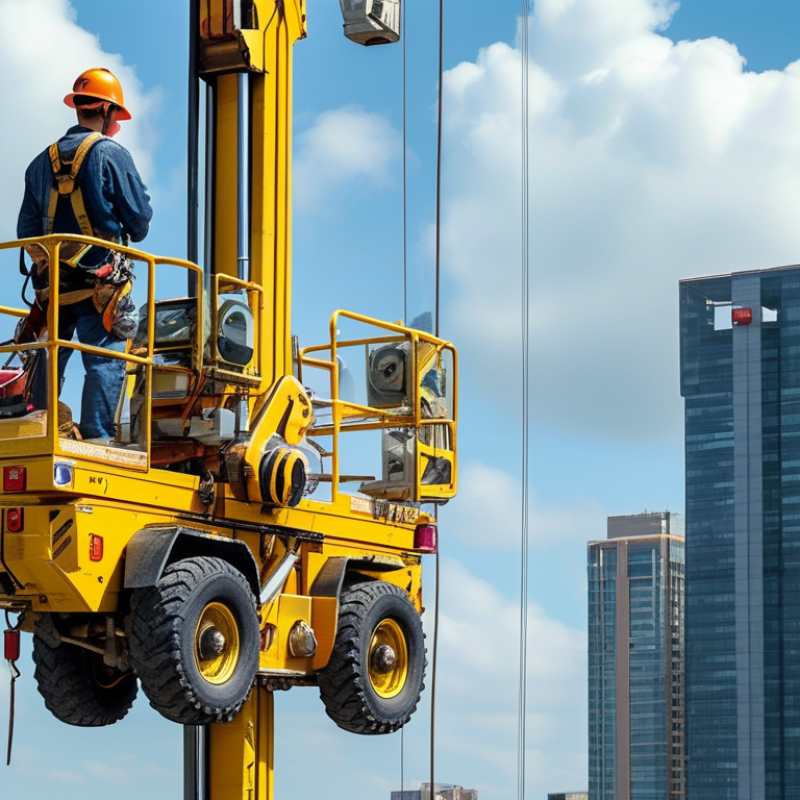
Man lifts come in various types, each with distinct safety requirements. For instance, boom lifts are prevalent on construction sites. They often demand ground assessments to ensure stability. Operators should verify that the ground can support the machine’s weight. Notably, many accidents occur due to uneven ground or unstable conditions.
Scissor lifts present their own challenges. Users must engage all safety features before operation. This includes ensuring guardrails are in place and that the lift is properly leveled. It’s not uncommon for operators to neglect these checks, leading to potential falls or equipment overbalance. Operators also need to be mindful of overhead hazards.
Lastly, vertical lifts serve specific purposes. They are often used in warehouses and retail locations. It’s critical to adhere to weight limits, as overloading can compromise structural integrity. Reflecting on experience, some operators may overlook regular maintenance checks. This negligence can lead to equipment malfunctions. Emphasizing proper training is essential as well. Untrained personnel can increase the risk of accidents.
| Requirement | Description | Type of Man Lift |
|---|---|---|
| Pre-Operation Inspection | Conduct thorough inspection of the lift before use, including brakes, controls, and working parts. | All Types |
| Operator Training | Ensure all operators are properly trained and certified in the use of the specific man lift. | All Types |
| Fall Protection | Use appropriate fall protection equipment when working at heights. | Boom Lifts, Scissor Lifts |
| Load Capacity Adherence | Do not exceed the specified load capacity of the man lift as indicated by the manufacturer. | All Types |
| Environmental Assessment | Assess the work environment for hazards such as power lines, overhead obstructions, and unstable ground. | All Types |
| Emergency Procedures | Establish and communicate emergency procedures for man lift operations and rescues. | All Types |
| Proper Harness Usage | Ensure operators wear harnesses if working from a lift that requires them. | Boom Lifts |
| Clear Work Area | Keep the area below the lift clear of personnel and obstacles during operation. | All Types |
| Use of Outriggers | Use outriggers when provided and required by the man lift's operational guidelines. | Boom Lifts |
| Regular Maintenance | Conduct regular maintenance checks according to the manufacturer's guidelines. | All Types |
: PPE protects against hazards. It is your first defense against falling objects and debris.
Inspect for wear or damage. Replace any damaged equipment to ensure safety.
Wear a hard hat, safety harness, and goggles. Each item plays a vital role in your safety.
Training teaches proper usage. Knowing how to use a harness can prevent serious injuries.
Assess the situation first. Determine if safe evacuation is possible before taking further action.
Regular practice is essential. Every team member should understand their specific role during emergencies.
Clear communication ensures everyone is informed. It helps coordinate actions during critical situations.
Regularly review and update written procedures. Involve the team in discussions about necessary improvements.
Routine drills can lead to complacency. They should always be taken seriously to maintain preparedness.
Encourage open dialogue about unsafe practices. Speaking up can help identify potential risks and save lives.
When considering what are the safety requirements for operating a man lift, it is essential to understand the types of man lifts available and their specific safety guidelines. Before operation, conducting thorough pre-operation safety checks on the equipment is crucial to ensure everything is functioning properly. Additionally, operators must use appropriate personal protective equipment (PPE) to safeguard themselves while working at heights.
Recognizing and managing hazards in elevated work environments is vital for maintaining a safe worksite, including being aware of potential fall risks and adverse weather conditions. Moreover, having clear emergency procedures and rescue plans in place is necessary for responding effectively in case of an incident. Together, these components create a comprehensive understanding of the safety requirements needed to operate a man lift safely and responsibly.

 Kleen Lift